The holiday season is a time of joy, family gatherings, delicious food, and celebrations. Homes become busier than usual, with guests coming in, decorations everywhere, and more cooking than normal. While this creates a festive atmosphere, it also increases the risk of household accidents. Slippery floors, cluttered spaces, kitchen hazards, and fire risks become more common during holidays.
By focusing on safety and cleanliness, you can protect your family, guests, children, and pets from unnecessary accidents. A clean and organized home not only looks welcoming but also helps prevent injuries. Let’s explore how you can enjoy a safe, stress-free, and accident-free holiday season.
Common Household Accidents During the Holidays
Holidays bring extra activities that often lead to accidents if we are not careful.
Slips and falls are the most common issues. Spilled drinks, wet floors, loose rugs, and scattered toys can easily cause someone to fall, especially elderly guests.
Kitchen accidents increase because people spend more time cooking. Burns, cuts, and scalds often result from hot oil, sharp knives, and overcrowded kitchens.
Electrical hazards occur when decorative lights, extension cords, and extra appliances overload sockets. Faulty wiring can lead to shocks or fires.
Fire risks rise as candles, stoves, heaters, and fireplaces are used more often.
Children and pets can be injured by accidents involving small items, hot food, or toxic decorations left within reach.
Understanding these risks is the first step toward prevention.
Importance of a Clean and Organized Home
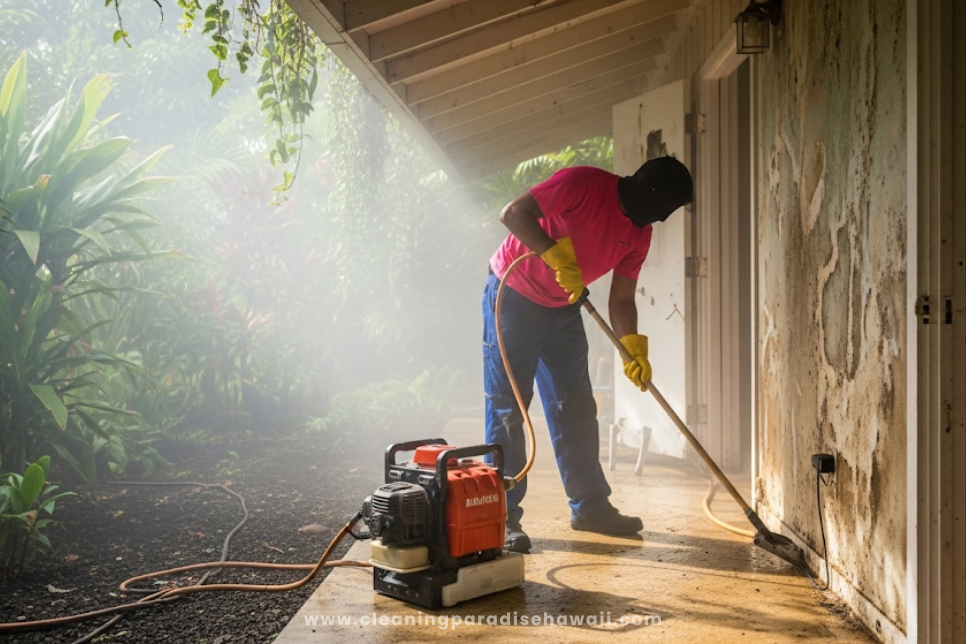
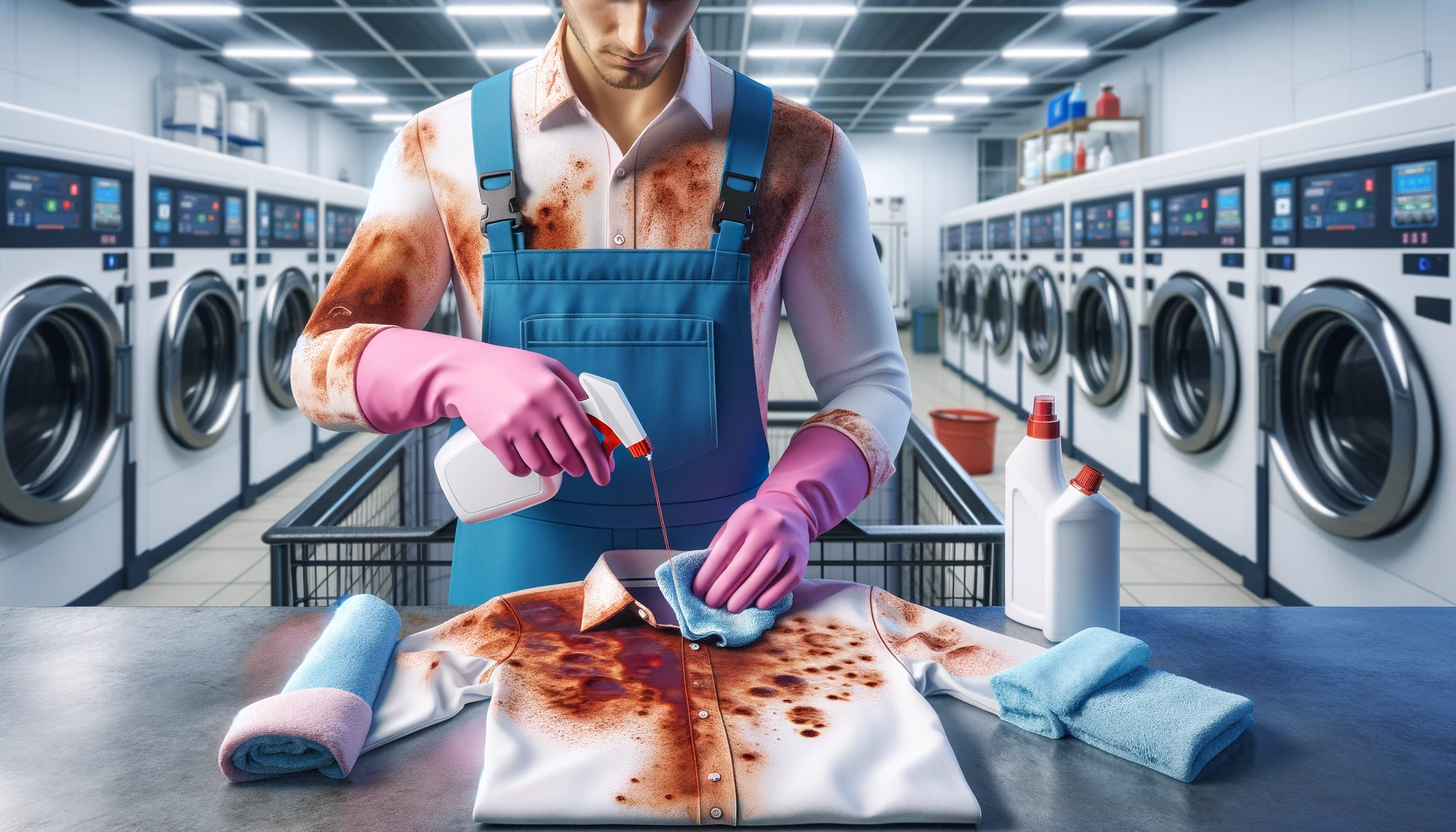
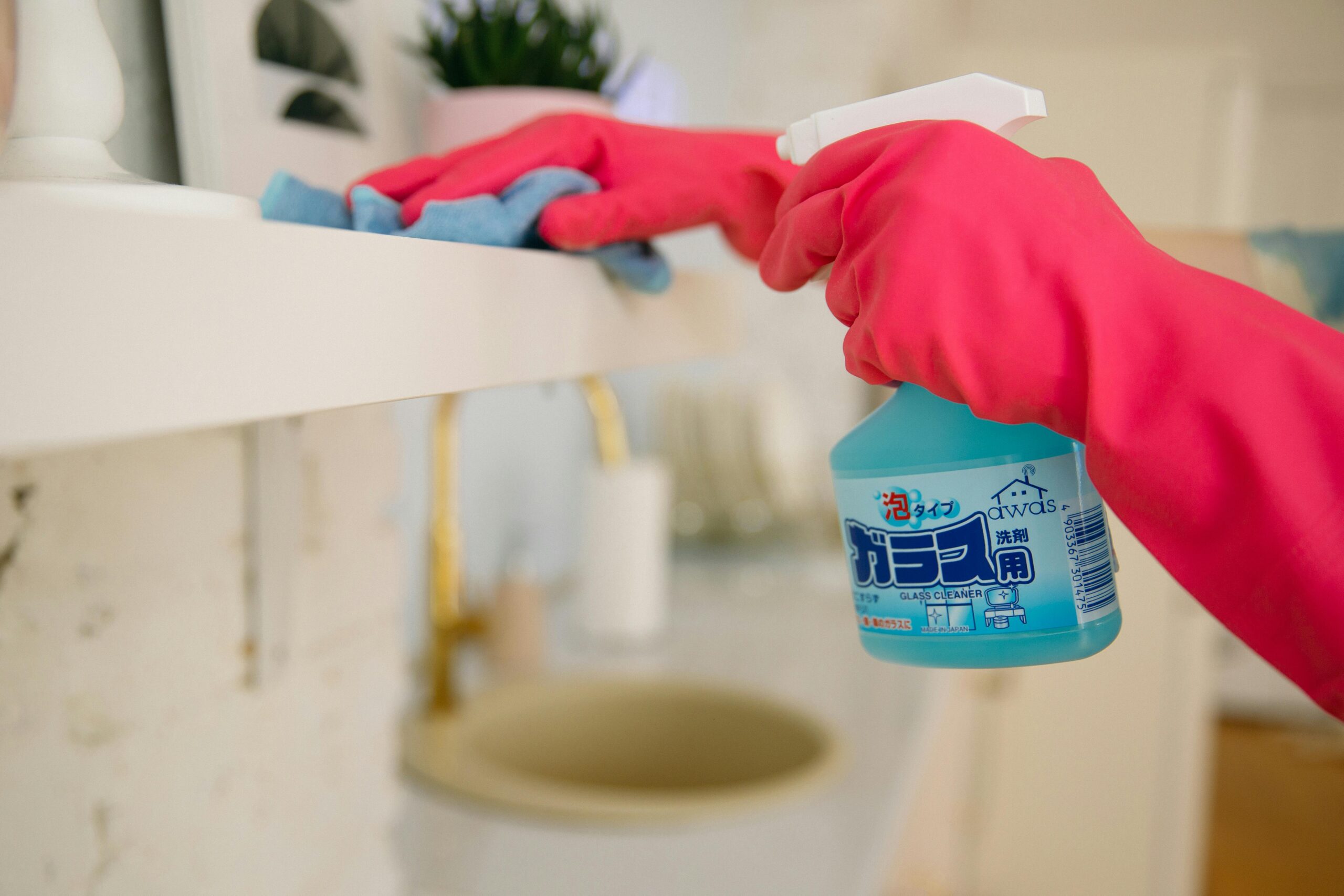
Cleanliness plays a major role in household safety. A messy home creates obstacles that increase the chances of accidents.
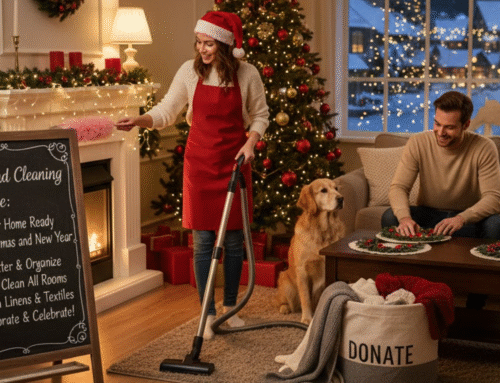
A decluttered home allows people to move freely without tripping over objects. Clear walkways, hallways, and staircases are especially important when guests are visiting.
Proper waste management is also necessary during holidays. Trash piles up quickly with food packaging, decorations, and disposable items. Overflowing bins can cause slips, attract pests, and spread germs.
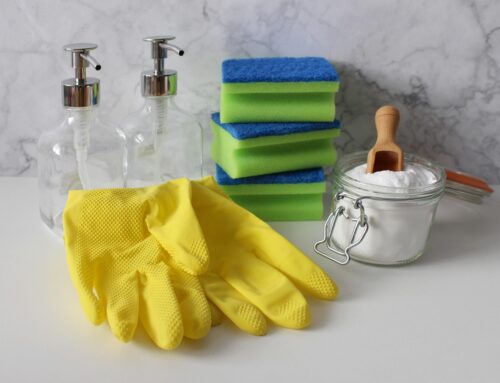
With more people entering and leaving the house, maintaining hygiene becomes essential. Regular cleaning of floors, door handles, bathrooms, and kitchens helps reduce bacteria and keeps everyone healthy.
Kitchen Safety Tips During Holiday Cooking
The kitchen is the busiest and most dangerous area during the holidays. Simple precautions can prevent serious injuries.
Always keep kitchen floors dry and grease-free—clean spills immediately, especially oil and water. Using anti-slip mats near the sink and stove can add extra protection.
Handle knives and sharp tools carefully. Keep them appropriately stored when not in use and never leave them near the edge of counters.
Be mindful of hot utensils, pots, and liquids. Turn pot handles inward and keep hot items away from children.
Proper food storage is also important. Store raw and cooked foods separately to prevent contamination, and refrigerate leftovers promptly.
Avoid using too many appliances at once. Overloading the kitchen with multiple devices can increase electrical risks.
Preventing Slips, Trips, and Falls
Slips and falls are one of the most common holiday accidents, but they are also easy to prevent.
Clean up spills immediately, especially in high-traffic areas like living rooms, kitchens, and dining spaces.
Use non-slip mats and rugs, particularly in bathrooms and entryways. Make sure rugs are secured and do not slide.
Remove or secure loose carpets, cords, and decorations that may cause tripping.
Ensure proper lighting throughout the house. Dark corners, staircases, and hallways should be well lit to help guests see where they are walking.
Fire and Electrical Safety Measures
Fire and electrical hazards increase during holidays due to decorations and heating equipment.
When using candles, never leave them unattended. Place them on stable surfaces and keep them away from curtains, paper decorations, and children.
Decorative lights should be checked for damage before use. Avoid using broken wires or loose plugs.
Do not overload power outlets. Use quality extension cords and unplug decorations when not in use.
Check heaters, stoves, and fireplaces to ensure they are working properly. Keep flammable items away from heat sources.
Always keep a fire extinguisher in an accessible place and make sure adults know how to use it.

Child and Pet Safety During the Holidays
Children and pets are naturally curious, making them more vulnerable during busy holiday times.
Store sharp objects, hot items, and cleaning products out of reach. Lock cabinets if necessary.
Create pet-free zones in the kitchen during cooking times to prevent accidents caused by spills or hot food.
Use safety gates, corner guards, and outlet covers to protect young children.
Keep small decorations, batteries, and ornaments away from both children and pets, as these can be choking hazards.
Bathroom Safety and Hygiene
Bathrooms see increased use during holidays, which can create safety and hygiene issues.
Wet floors can be dangerous, so always wipe water spills immediately. Use anti-slip mats near sinks and showers.
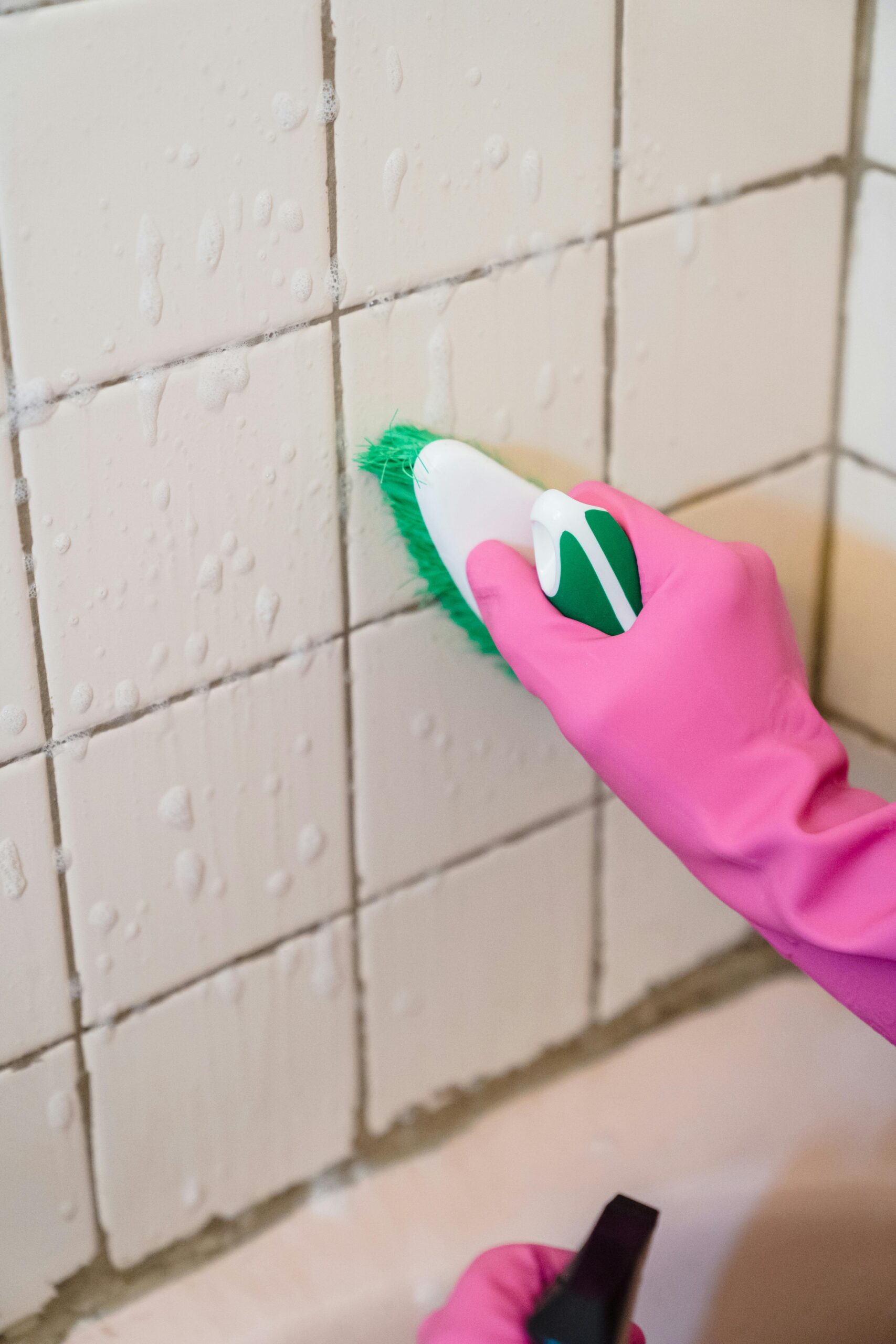
Regular cleaning and disinfection reduce germs, especially with many guests using the same space.
Ensure proper ventilation to prevent moisture buildup, which can cause mold and slippery surfaces.
Keep bathrooms stocked with essentials like soap, towels, and tissue to avoid unnecessary movement and mess.
Outdoor and Entryway Safety
Outdoor areas and entryways are often overlooked but are just as important.
Keep walkways clean and well lit, especially in the evening. Remove obstacles, leaves, or water that may cause slipping.
Manage wet shoes and umbrellas by placing mats or shoe racks near the entrance.
Secure outdoor decorations properly to prevent them from falling or causing trips.
Make sure stairs and steps are safe and visible, especially if guests are unfamiliar with your home.
Emergency Preparedness
Even with precautions, emergencies can still happen. Being prepared makes a big difference.
Keep a basic first-aid kit ready with bandages, antiseptic, and essential supplies.
Display emergency contact numbers in a visible place.
Check smoke detectors and alarms to ensure they are working properly.
Have a simple evacuation plan and make sure family members know what to do in case of fire or other emergencies.
Creating a Holiday Safety Checklist
A safety checklist helps you stay organized during busy holiday days.
Create a daily cleaning and safety routine, focusing on kitchens, bathrooms, and high-traffic areas.
Assign small responsibilities to family members, such as wiping floors, managing trash, or checking decorations.
Before gatherings, do a quick walk-through of your home to spot potential hazards.
After events, clean promptly to restore order and reduce risks.
Conclusion
Holidays should be filled with happiness, not accidents or stress. By focusing on safety and cleanliness, you can create a welcoming and secure environment for everyone. Small actions like cleaning spills, organizing spaces, and checking safety equipment go a long way in preventing injuries.
A clean, well-maintained home allows you to enjoy the festive season with peace of mind. With a little planning and care, you can celebrate confidently, knowing your home is safe, clean, and ready for joyful holiday memories.

Related Posts