Hawaii is known for its beautiful beaches, fresh ocean air, and warm tropical weather. Living here feels like paradise, but the same climate that makes Hawaii so special also brings some challenges—especially inside our homes. One of the biggest problems homeowners and renters face is mold caused by high humidity, which makes Mold and Humidity Prevention an important part of home care in Hawaii.
During summer, humidity levels rise even more. The air feels heavier, moisture stays longer on surfaces, and mold can grow very quickly if we are not careful. Mold is not only unpleasant to see or smell, but it can also cause health problems and damage your home over time, making Mold and Humidity Prevention essential for protecting both your living space and your family’s health.
In this detailed guide, we will explain why mold is so common in Hawaii, how humidity affects your home, and what you can do every day to prevent mold growth. We will also share professional cleaning tips and explain how Cleaning Paradise Hawaii helps local families keep their homes clean, healthy, and mold-free throughout the summer.
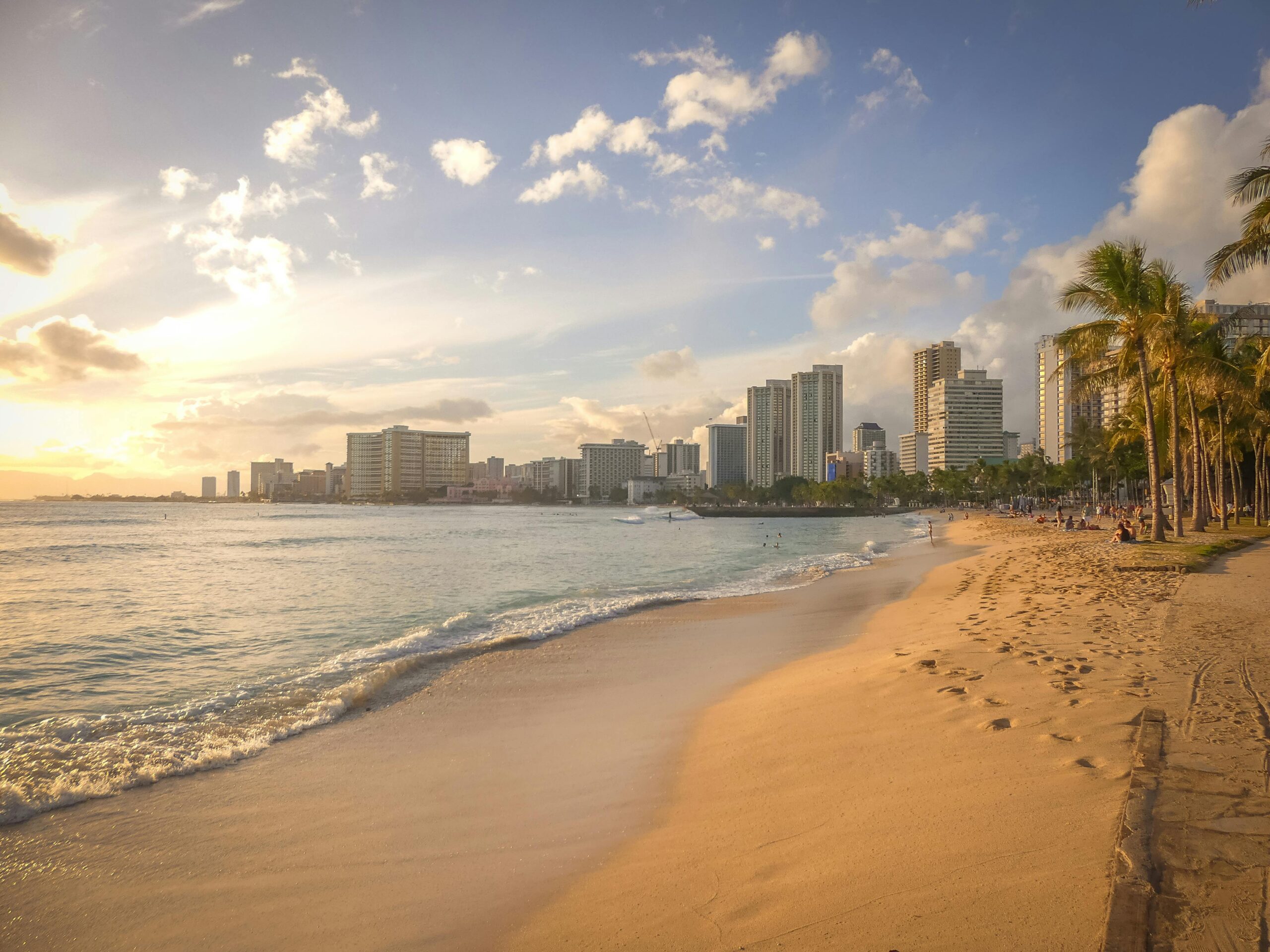
Understanding Hawaii’s Climate and Why Mold Loves It
Hawaii has a tropical climate, which means:
-
Warm temperatures almost all year
-
High humidity levels
-
Moist air from the ocean
-
Frequent rain in some areas
These conditions are perfect for mold. Mold spores are always present in the air. When they land on a damp surface, they can start growing very fast.
Why Summer Is the Worst Season for Mold
During summer:
-
Humidity increases
-
Homes stay closed due to air conditioning
-
Moisture builds up indoors
-
Surfaces take longer to dry
Even small amounts of water—from shower steam, cooking, or wet towels—can lead to mold if not cleaned properly.
What Is Mold and Why It’s a Serious Problem
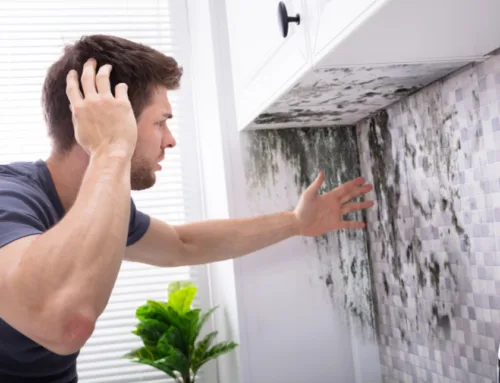
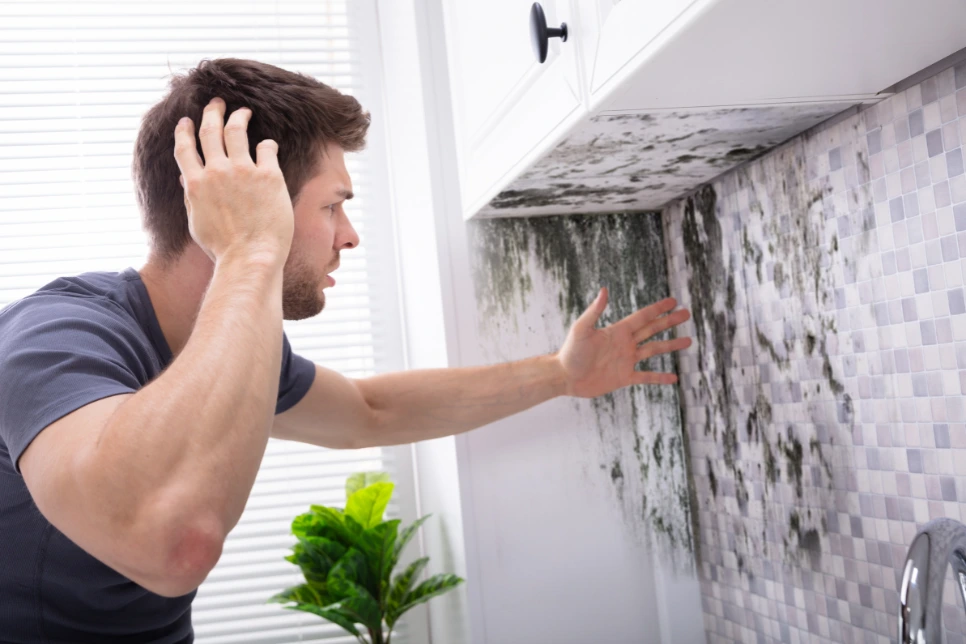
Mold is a type of fungus that grows in damp, warm, and humid places. In Hawaii’s tropical climate, mold can develop very easily inside homes, especially in areas where moisture stays for a long time. Mold often appears as black, green, gray, or white spots on walls, ceilings, bathroom tiles, grout lines, furniture, and even clothing. Sometimes mold is visible, but in many cases, it grows behind walls, under sinks, or inside air conditioning systems, making it harder to detect early.
Because mold feeds on moisture, poor ventilation and high humidity make the problem worse. This is why Mold and Humidity Prevention is so important for homes in Hawaii, especially during the summer months.
Mold Can Spread Quickly
Mold does not stay in one place for long. Once it starts growing, it releases tiny spores into the air. These spores are very light and can easily travel through your home using air movement, fans, or air conditioning systems. When the spores land on another damp surface, they begin to grow again, creating new mold patches in different rooms.
This fast spread is one of the biggest dangers of mold. A small patch in the bathroom can quickly turn into a larger problem throughout the home if moisture is not controlled. Regular cleaning, good airflow, and proper Mold and Humidity Prevention steps can help stop mold before it spreads.
Mold Is Not Just a Cleaning Issue
Many people think mold is only a surface problem that can be wiped away, but mold is much more serious than that. Mold can affect indoor air quality and cause health problems, especially for children, older adults, and people with allergies or asthma. Breathing in mold spores over time may lead to coughing, sneezing, headaches, skin irritation, or breathing difficulties.
Mold can also damage your home. It can weaken walls, ruin furniture, stain ceilings, and leave behind strong musty odors that are hard to remove. Simply cleaning the surface without fixing the moisture problem will not solve the issue. That is why long-term Mold and Humidity Prevention is necessary to protect both your home and your health.
Health Problems Caused by Mold Exposure
Common Health Effects:
-
Sneezing and runny nose
-
Coughing and sore throat
-
Itchy eyes and skin
-
Headaches
-
Breathing problems
Higher Risk Groups:
-
Children
-
Elderly people
-
People with asthma
-
People with allergies
-
Anyone with a weak immune system
Long-term exposure to mold can make symptoms worse over time.
How Mold Damages Your Home
Besides health problems, mold can slowly destroy your home if left untreated.
Mold Can Damage:
-
Walls and ceilings
-
Wooden furniture
-
Cabinets and doors
-
Carpets and rugs
-
Clothing and fabrics
Mold weakens surfaces and can cause bad smells that never fully go away without professional cleaning.
Common Places Where Mold Grows in Hawaii Homes
In Hawaii, mold often grows in areas where moisture stays trapped for long periods. Bathrooms are the most common spot, especially on shower walls, tiles, grout, and ceilings. Kitchens can also develop mold under sinks, around dishwashers, and behind appliances due to leaks and humidity. Closets and storage areas are another problem area because poor airflow allows moisture to build up on clothes and walls. Mold can also grow behind furniture, near windows, inside air conditioning vents, and in laundry rooms where damp clothes are left too long.
Bathrooms
-
Shower walls and tiles
-
Grout lines
-
Ceilings
-
Behind toilets and sinks
Bathrooms stay wet and warm, making them the top mold hotspot.
Kitchens
-
Under the sink
-
Behind appliances
-
Around dishwashers
-
Trash areas
Leaks and food moisture increase mold risk.
Bedrooms and Living Areas
-
Behind beds and sofas
-
On walls with poor airflow
-
Near windows
Humidity builds up when air cannot move freely.
Closets and Storage Areas
-
Clothes pressed together
-
Closed doors with no airflow
-
Damp shoes and bags
Closets are one of the most common places for hidden mold.
Air Conditioners and Vents
-
AC filters
-
Air ducts
-
Drip trays
If AC units are not cleaned regularly, they can spread mold through the air.
Essential Summer Cleaning Tips to Prevent Mold
1. Improve Airflow in Every Room
Airflow helps moisture dry faster.
Simple Ways to Improve Airflow:
-
Use ceiling fans daily
-
Turn on exhaust fans in bathrooms and kitchens
-
Open windows when weather allows
-
Keep doors open during the day
-
Move furniture slightly away from walls
Even small airflow changes can reduce moisture buildup.
2. Control Indoor Humidity Levels
Humidity control is the key to mold prevention.
Ideal Indoor Humidity:
-
Between 40% and 60%
Ways to Control Humidity:
-
Use a dehumidifier in damp areas
-
Run air conditioners regularly
-
Avoid boiling water without ventilation
-
Fix leaks immediately
Moisture control should be a daily habit, especially in summer.
3. Clean Bathrooms the Right Way
Bathrooms need extra attention in Hawaii.
Daily Bathroom Habits:
-
Wipe shower walls after use
-
Hang towels to dry fully
-
Keep shower doors open
Weekly Cleaning:
-
Scrub tiles and grout
-
Clean shower curtains
-
Disinfect sinks and drains
Using mold-resistant cleaners helps stop growth early.
4. Keep Kitchens Dry and Clean
Kitchens may not look wet, but moisture hides easily.
Kitchen Mold Prevention Tips:
-
Dry sinks after washing dishes
-
Clean under sinks monthly
-
Empty trash daily
-
Clean spills immediately
Always check for slow leaks under cabinets.
5. Take Care of Laundry and Fabrics
Wet fabrics create mold fast.
Smart Laundry Habits:
-
Do not leave clothes in the washer
-
Dry clothes completely
-
Avoid drying laundry indoors
-
Wash towels regularly
Closets should stay dry and airy.
6. Closets and Storage Mold Prevention
Closets trap moisture easily.
Best Practices:
-
Leave space between clothes
-
Use moisture absorbers
-
Keep closet doors open sometimes
-
Avoid storing damp items
Shoes should be fully dry before storage.
7. Clean and Maintain Air Conditioning Units
Air conditioners remove moisture but can also collect it.
AC Maintenance Tips:
-
Clean or replace filters monthly
-
Clean vents regularly
-
Schedule professional AC cleaning
-
Watch for musty smells
Dirty AC units can spread mold spores.
Natural vs Professional Cleaning Products
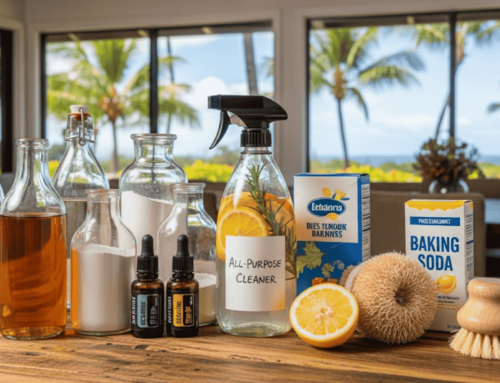
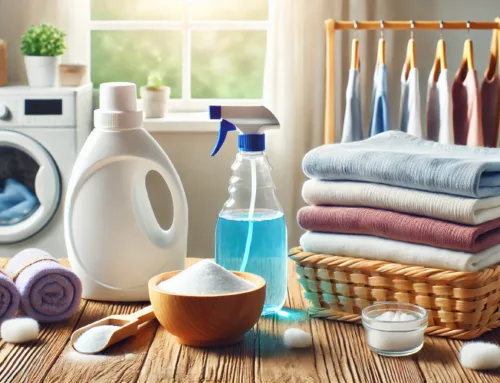
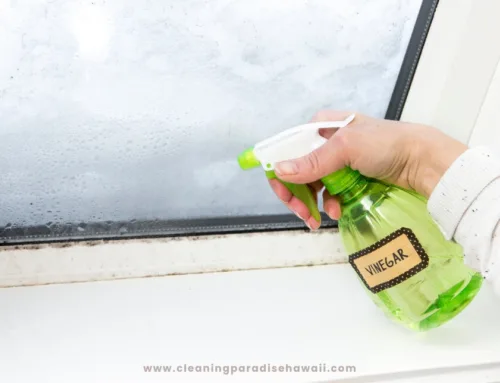
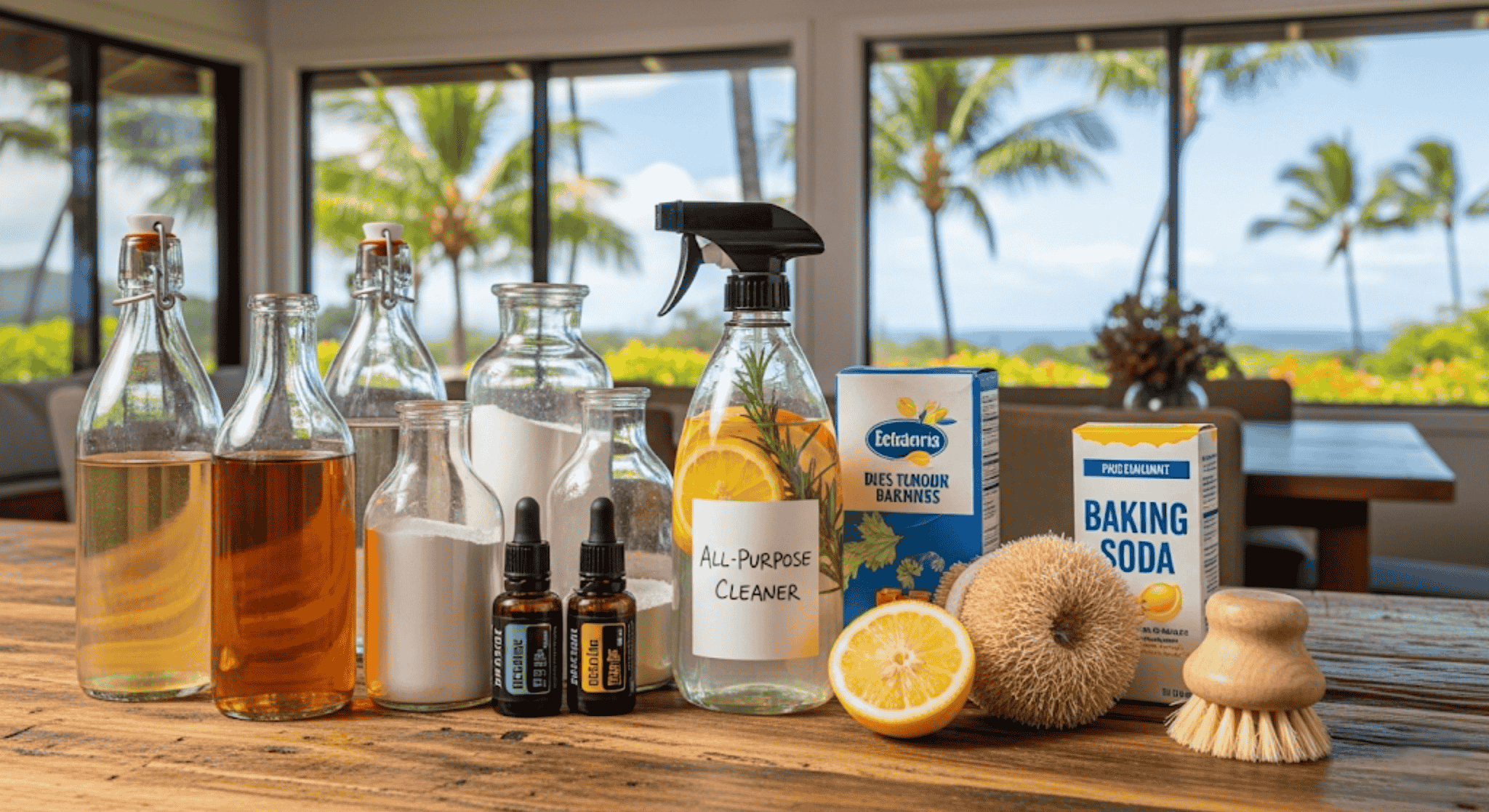
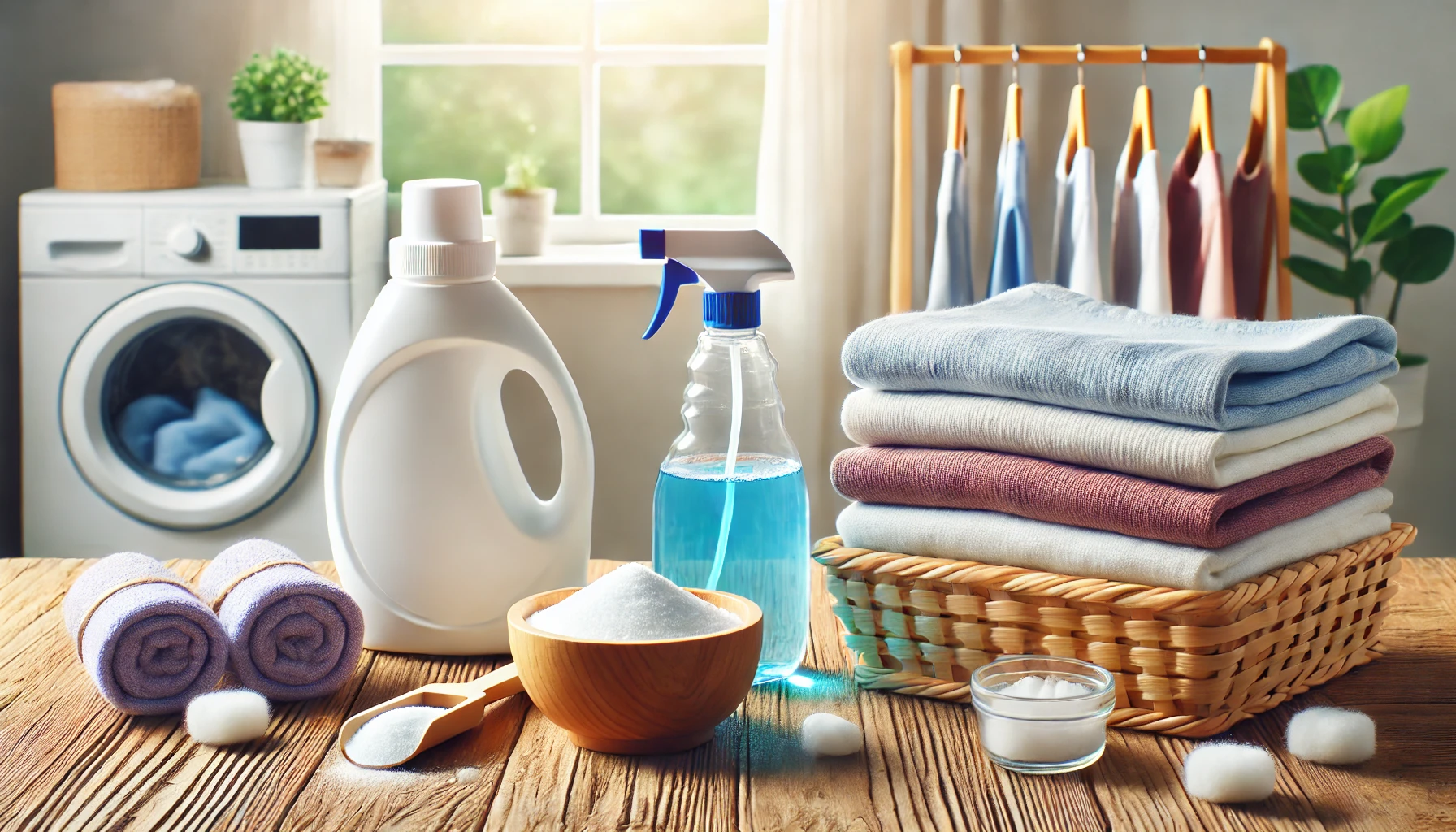
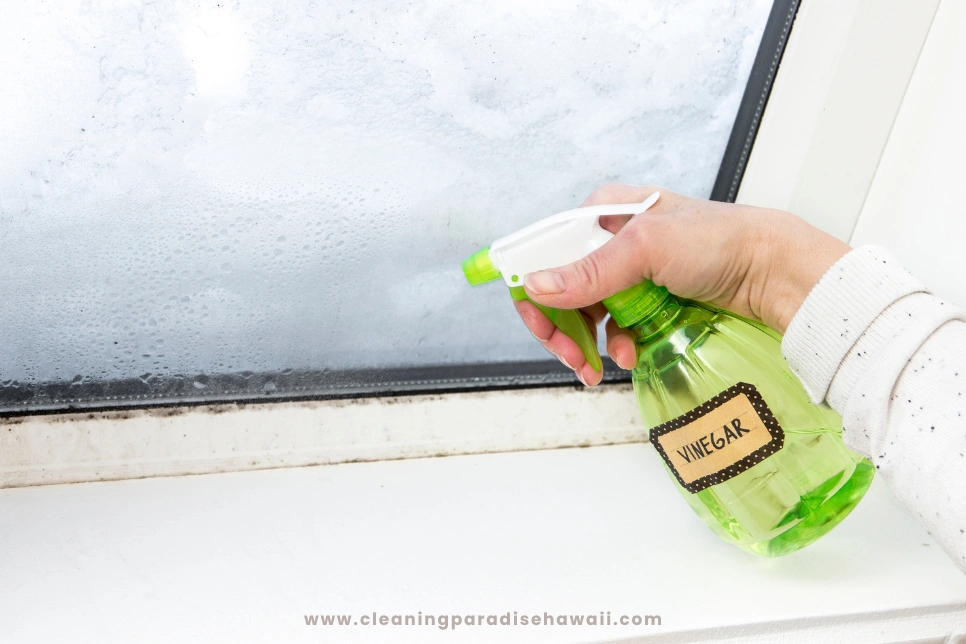
Some people prefer natural cleaning products, while others choose stronger, professional-grade cleaners. Natural options like vinegar, baking soda, and lemon can help with light cleaning and small mold spots, but they may not remove mold completely. Professional cleaning products are designed to target mold at a deeper level and are more effective for repeated or hidden mold problems. Choosing the right products plays an important role in long-term mold control and keeping your home safe and healthy.
Natural Cleaning Options:
-
Vinegar
-
Baking soda
-
Lemon
These can help with light mold but may not remove deep growth.
Professional Cleaning Products:
-
Stronger mold-resistant formulas
-
Safe when used properly
-
More effective for recurring mold
Cleaning Paradise Hawaii uses safe, eco-friendly, professional solutions designed for Hawaii homes.
When DIY Cleaning Is Not Enough
Signs You Need Professional Help:
-
Mold returns quickly
-
Strong musty smell
-
Mold in hard-to-reach areas
-
Health symptoms continue
Professional cleaning finds hidden mold sources.
How Cleaning Paradise Hawaii Helps Prevent Mold
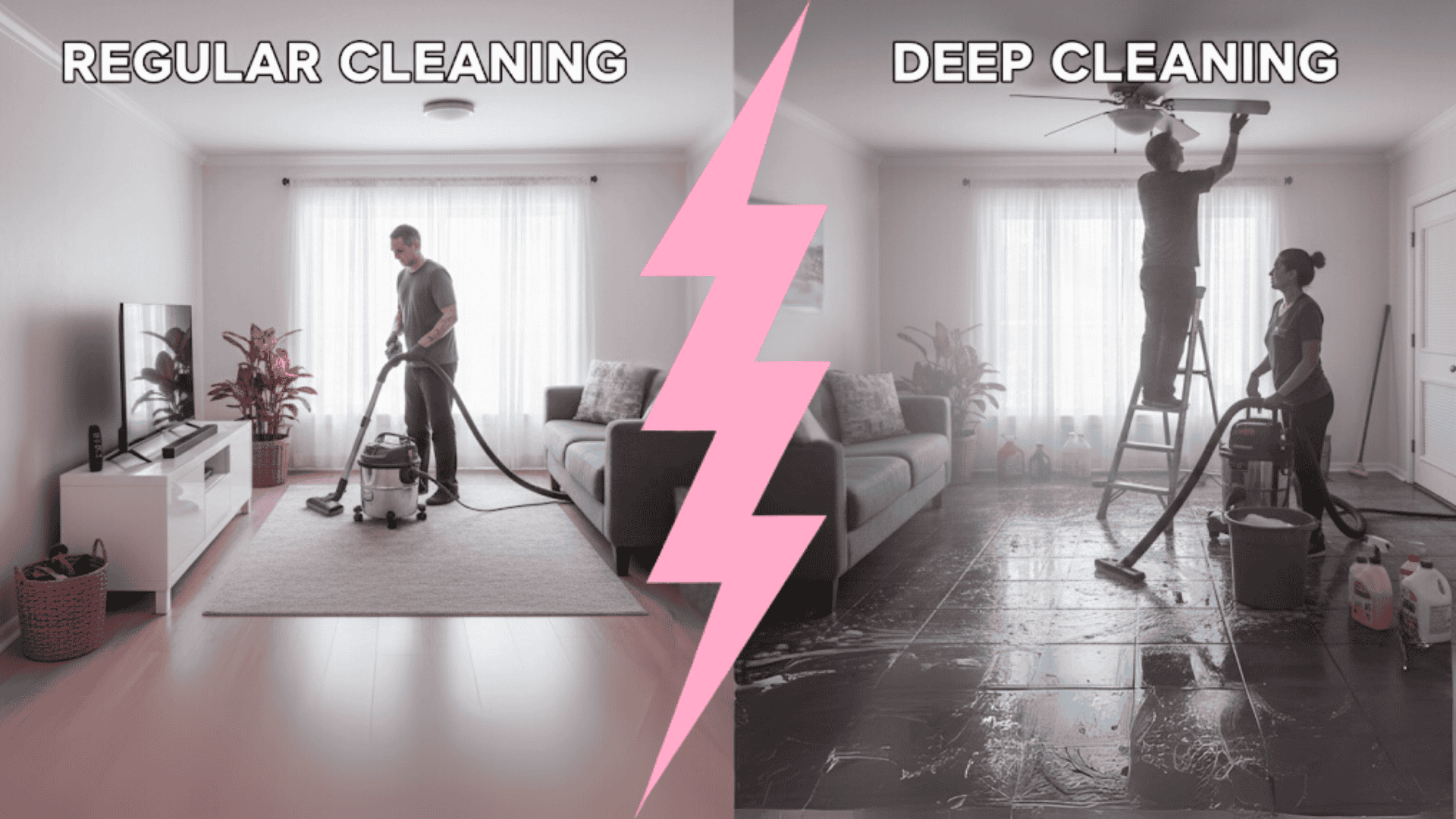
Cleaning Paradise Hawaii understands the local climate challenges better than anyone. Hawaii’s warm weather and high humidity require special cleaning methods to stop mold from growing. Our professional team focuses on deep cleaning, moisture control, and problem areas where mold often starts. We use safe, eco-friendly products and proven techniques designed for tropical homes. With regular professional cleaning from Cleaning Paradise Hawaii, homeowners can reduce humidity, improve indoor air quality, and keep their homes clean, healthy, and mold-free all year round.
Our Professional Services Include:
-
Deep cleaning for high-humidity homes
-
Mold prevention cleaning
-
Eco-friendly and family-safe products
-
Trained cleaners with local experience
We focus on prevention, not just surface cleaning.
Summer Cleaning Checklist for Hawaii Homes
Weekly Tasks:
-
Clean bathrooms
-
Wipe damp surfaces
-
Air out rooms
Monthly Tasks:
-
Deep clean tiles and grout
-
Check under sinks
-
Clean AC filters
Seasonal Tasks:
-
Professional deep cleaning
-
Mold inspection
-
Ventilation check
Mold Prevention Tips for Renters
-
Report leaks immediately
-
Keep windows open when possible
-
Clean bathrooms often
-
Use moisture absorbers
Good habits protect your health and belongings.
Mold Prevention for Vacation Rentals
Vacation homes need extra care.
-
Deep cleaning between guests
-
Airflow during vacant periods
-
Professional cleaning services
-
Regular inspections
Professional cleaning protects property value.
Final Thoughts
Mold and humidity are part of life in Hawaii, especially during summer. But with the right cleaning habits, airflow, and professional help, you can protect your home and your family.
Regular cleaning, moisture control, and early prevention make all the difference.
For deep cleaning and reliable mold prevention, trust Cleaning Paradise Hawaii. Our experienced team keeps your home fresh, healthy, and safe—so you can enjoy island living without stress.
👉 Contact Cleaning Paradise Hawaii today to schedule your summer mold prevention cleaning.

Related Posts