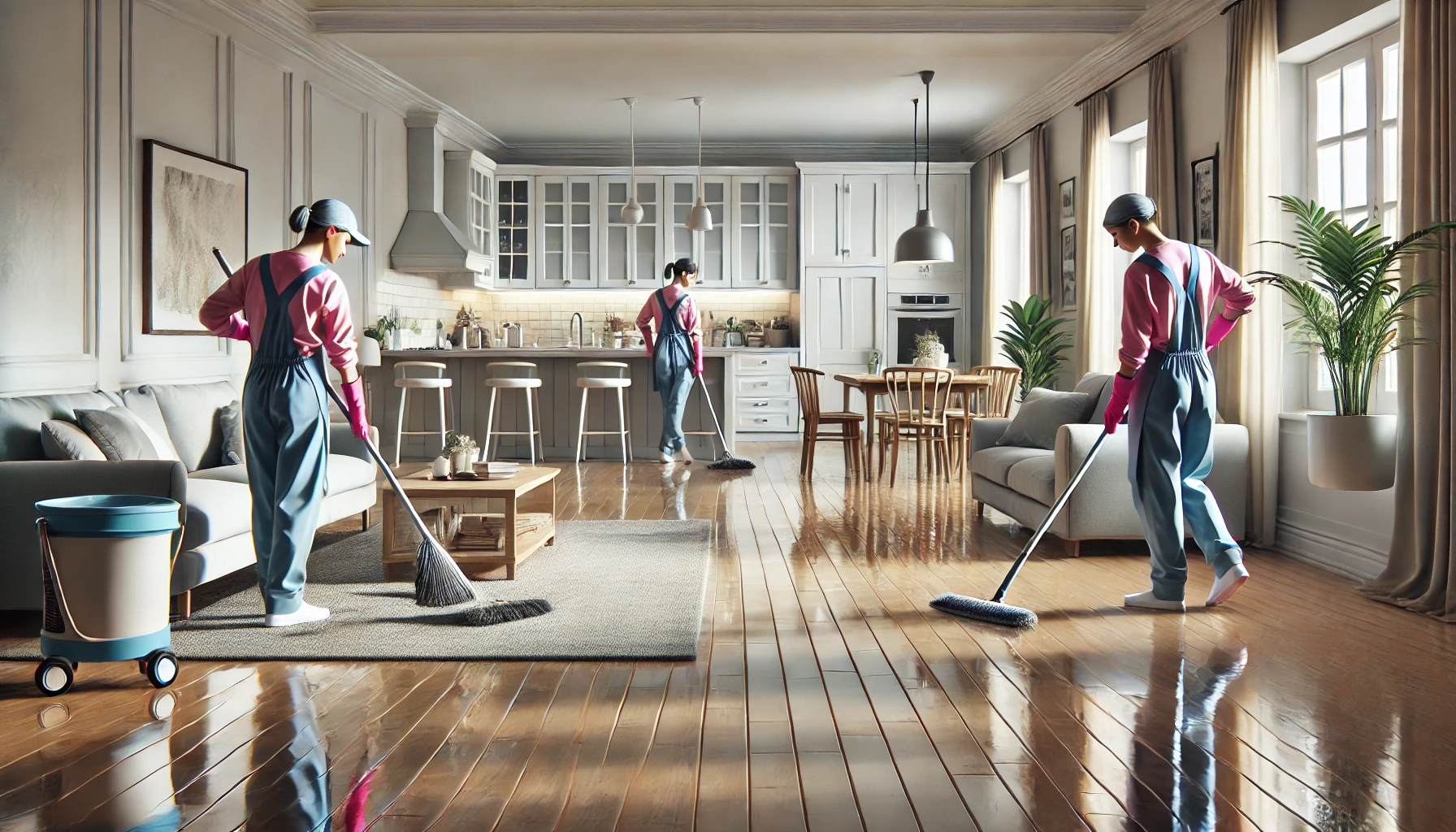
In Hawaii, the concept of “home” extends far beyond our front doors. It encompasses the mountains (mauka), the plains, and the sea (makai). When we talk about cleaning our homes in places like Oahu, we are participating in a cycle that eventually affects our coral reefs and groundwater.
For too long, the cleaning industry has prioritized convenience over conservation. The “Swiffer-culture” of the early 2000s introduced a generation to the idea that cleaning should be disposable. But on an island with limited landfill space and a fragile volcanic aquifer, there is no such thing as “throwing it away.” “Away” is still right here on Oahu.
At Cleaning Paradise Hawaii, we’ve seen firsthand how the right tools can transform a home’s atmosphere while respecting the ʻāina. This guide is designed to help you navigate the world of eco friendly mopping tools, from the technical specifications of fibre types to the cultural importance of toxin-free living in the Pacific.
The Hidden Environmental Cost of Traditional Mopping
To appreciate the sustainability of the choice, we must first look at the damage caused by “business as usual” cleaning.
The Plastic Problem
Traditional mops often feature plastic handles, plastic buckets, and—most damagingly—synthetic mop heads. Standard polyester/nylon string mops shed microplastics every time they are rinsed. These microscopic plastic shards are too small for wastewater treatment plants to filter out, meaning they eventually reach the ocean, where they enter the food chain via fish and sea turtles. Switching to eco friendly mopping tools stops this cycle of pollution at the source, ensuring that your cleaning routine preserves the very environment we call home.
The Chemical Cocktail
Most grocery-store floor cleaners contain:
-
Phthalates: Used for fragrance, these are known endocrine disruptors.
-
Ammonia: A powerful irritant that can trigger asthma and is toxic to aquatic life.
-
Alkylphenol Ethoxylates (APEs): Chemicals that do not break down easily and are suspected of mimicking estrogen in wildlife.
When you mop with these substances, they leave a thin film on your floors. In Hawaii, where many of us walk barefoot indoors, these chemicals are absorbed through the skin or inhaled as they evaporate into the air of our enclosed, air-conditioned spaces.
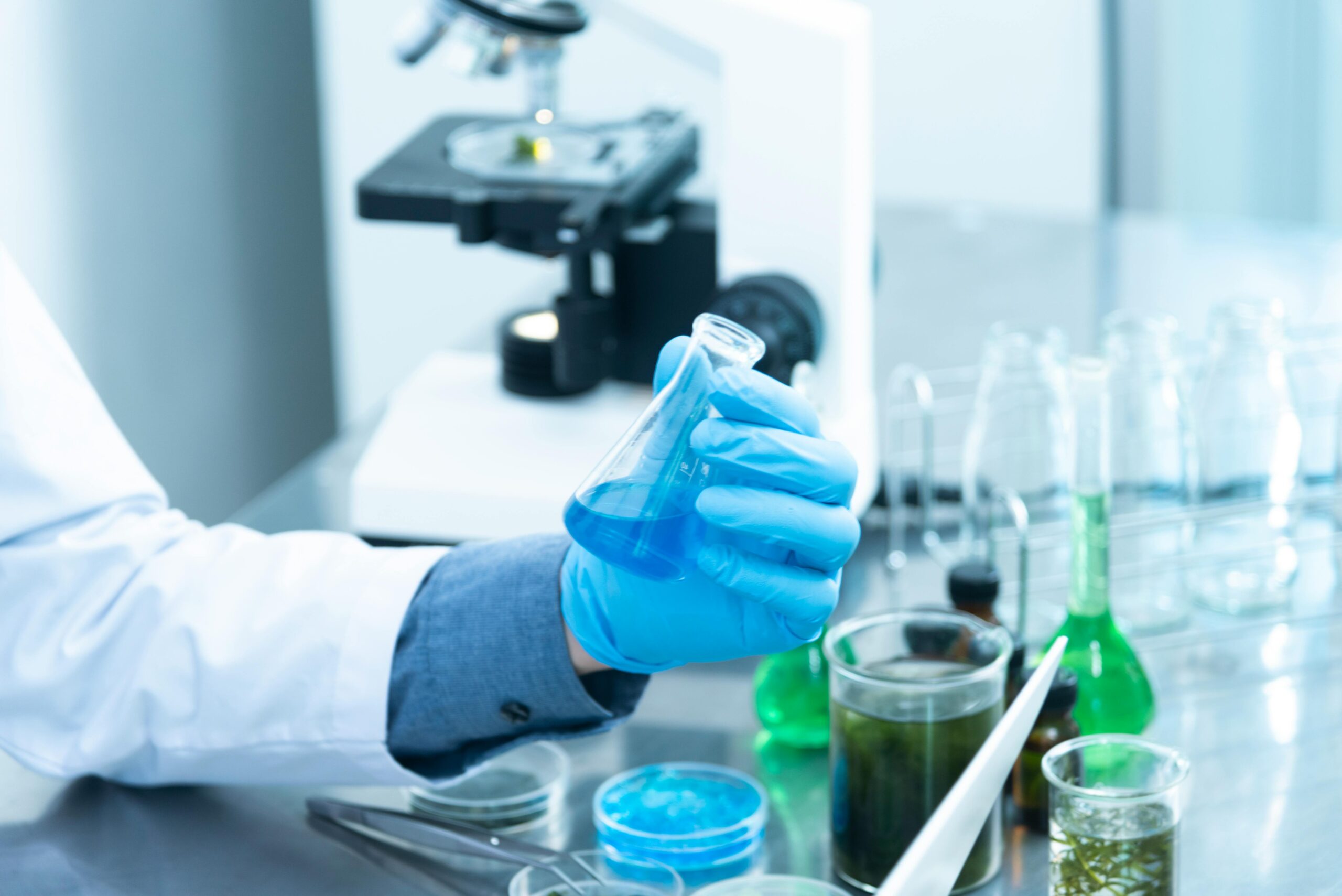
The Anatomy of an Eco-Friendly Mop
What makes a tool “eco-friendly”? It boils down to three pillars: Source Material, Durability, and End-of-Life Disposal.
A. The Mop Head: Beyond the Basics
-
100% Organic Cotton: Cotton is highly absorbent and renewable. However, standard cotton is heavily treated with pesticides. Organic cotton is the only way to ensure your cleaning tool doesn’t pollute a field somewhere else.
-
BambooFiber: Bamboo is a miracle crop for sustainability. It requires no pesticides, very little water, and regenerates from its own roots. Bamboo mop pads are naturally antimicrobial—a massive benefit in Oahu’s humid “mould-belt” areas like Kaneohe or Wahiawa.
-
Industrial-Grade Microfiber: While made from plastic, microfiber’s sustainability comes from its efficiency. It can remove 99% of bacteria using only water. By eliminating the need for soap, you prevent chemical runoff. Look for “Split-Fibre” microfiber, which has a higher surface area for grabbing fine Hawaiian red dirt.
B. The Handle: Engineering for Longevity
A sustainable mop should be a “buy it for life” item.
-
FSC-Certified Wood: Handles made from Forest Stewardship Council-certified wood ensure that the timber was harvested responsibly.
-
Telescopic Stainless Steel: These are ideal for Hawaii. They don’t rust in the salt air and can be adjusted for different family members, reducing the physical strain (ergonomics) of cleaning.
C. The Mechanism: Manual vs. Power
Mechanical mops (like spin mops) are popular but often contain complex plastic gears that break easily. A simple Flat Mop with a pivoting head is the most sustainable choice because it has the fewest moving parts to fail.
Deep Dive: Top Sustainable Tools for Oahu Homes
The “Oahu All-Star”: The Professional Microfiber Flat Mop
In our professional experience at Cleaning Paradise Hawaii, nothing beats the microfiber flat mop.
-
Why it works for us: We deal with “Red Dirt” (laterite soil). This soil is iron-rich and incredibly fine. Traditional string mops often turn this dirt into a muddy slurry. Microfiber’s electrostatic charge actually lifts the particles off the floor.
-
Sustainability Factor: You can own 10 pads and rotate them. Wash them all at once in a single load of laundry, and you’ve eliminated the need for disposable wipes for years.
The “Chemical-Free” Warrior: The High-Pressure Steam Mop
Steam mops are a favourite for families with toddlers and pets.
-
The Hawaii Benefit: Steam at $ 212°F ($ 100 °C) kills dust mites and mould spores instantly. Given our humidity, mould is a constant battle. A steam mop sanitizes the grout lines in your tile floors without the need for toxic bleach.
-
The Caveat: Never use a steam mop on real hardwood or “floating” laminate floors common in older Honolulu apartments, as the moisture can cause the wood to warp or the glue to fail.
The “Lush Lanai” Solution: Recycled Cotton String Mops
For those with large outdoor living spaces or rough slate flooring, a flat mop won’t cut it.
-
The Tool: A heavy-duty mop made from recycled textile scraps.
-
The Use Case: These are perfect for scrubbing away the salt spray that accumulates on lanais in coastal spots like Diamond Head or Hawaii Kai. Because they are made from recycled materials, you are giving a second life to fabric that was destined for the landfill.
The Art of the Eco-Friendly Solution
A tool is only as “green” as the liquid it spreads. To be truly sustainable, you must look at your cleaning solution.
Why DIY is Better for Hawaii
Shipping heavy bottles of water (which is 90% of what “cleaner” is) across the Pacific is a massive carbon expense. By using a concentrated DIY solution or a refillable system, youreduce your home’s carbon footprint.
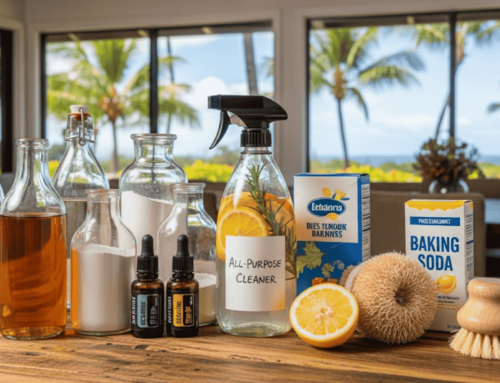
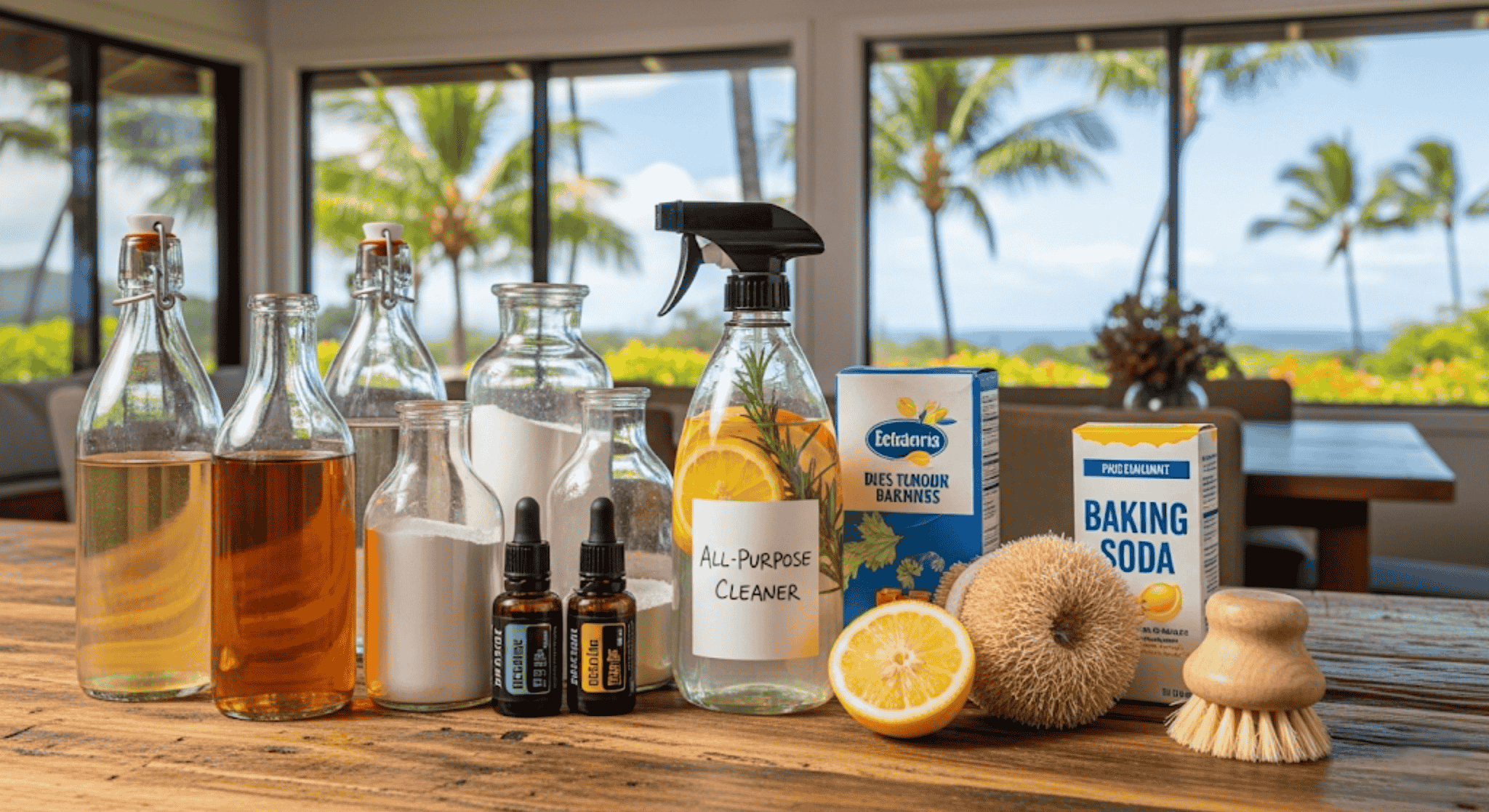
The “Paradise Refresher” Recipe (For All Sealed Surfaces)
-
Base: 2 Liters of warm filtered water.
-
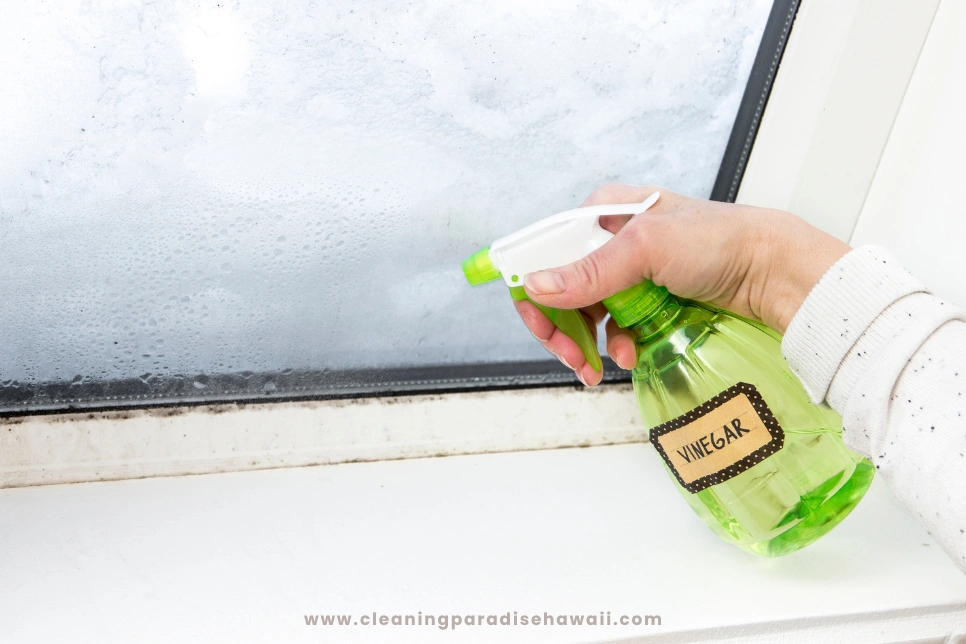
Cleaner: 1/4 cup of White Vinegar (Acidic enough to kill most germs but safe for the environment).
-
Surfactant: 1 teaspoon of Sal Suds or Castile Soap (to break surface tension).
-
Scent: 5 drops of Hawaiian Sandalwood or Lemongrass essential oil.
-
Sandalwood has natural grounding properties and smells like the islands.
-
The “Granite & Stone” Safe Solution
Vinegar can ruin natural stone (like the beautiful travertine or marble found in many luxury Oahu homes). Instead, use:
-
Base: 2 Liters of warm water.
-
Cleaner: 1/2 cup of 70% Isopropyl Alcohol (evaporates quickly, leaving no streaks).
-
Cleaner: 1/2 teaspoon of vegetable-based dish soap.
6. Advanced Maintenance: Protecting Your Investment
On an island, “planned obsolescence” is our enemy. The salt air and humidity will eat your tools if you don’t care for them.
Fighting the Rust
If you have a mop with metal parts, wipe the handle down with a tiny bit of coconut oil or mineral oil once every few months. This creates a barrier against the salt air that blows in from the Pacific.
Proper Microfiber Care
If you use microfiber, you must wash it correctly:
-
Separate your loads: Never wash microfiber with cotton towels. The cotton will shed lint that gets trapped in the microfiber, ruining its ability to grab dirt.
-
Cold Water is Fine: You don’t need boiling water to clean the pads; the washing machine’s mechanical action does the work.
-
Vinegar Rinse: Instead of fabric softener, add half a cup of vinegar to the rinse cycle. This strips away any soap residue, keeping the pads “thirsty.”
The Cultural Impact: Why “Green” is the “Hawaii Way”
In the Hawaiian culture, the concept of Kuleana (responsibility) is paramount. We have a kuleana to the land. When we choose a mop made of bamboo instead of virgin plastic, we are honouring that responsibility by investing in eco friendly mopping tools that align with our island values.
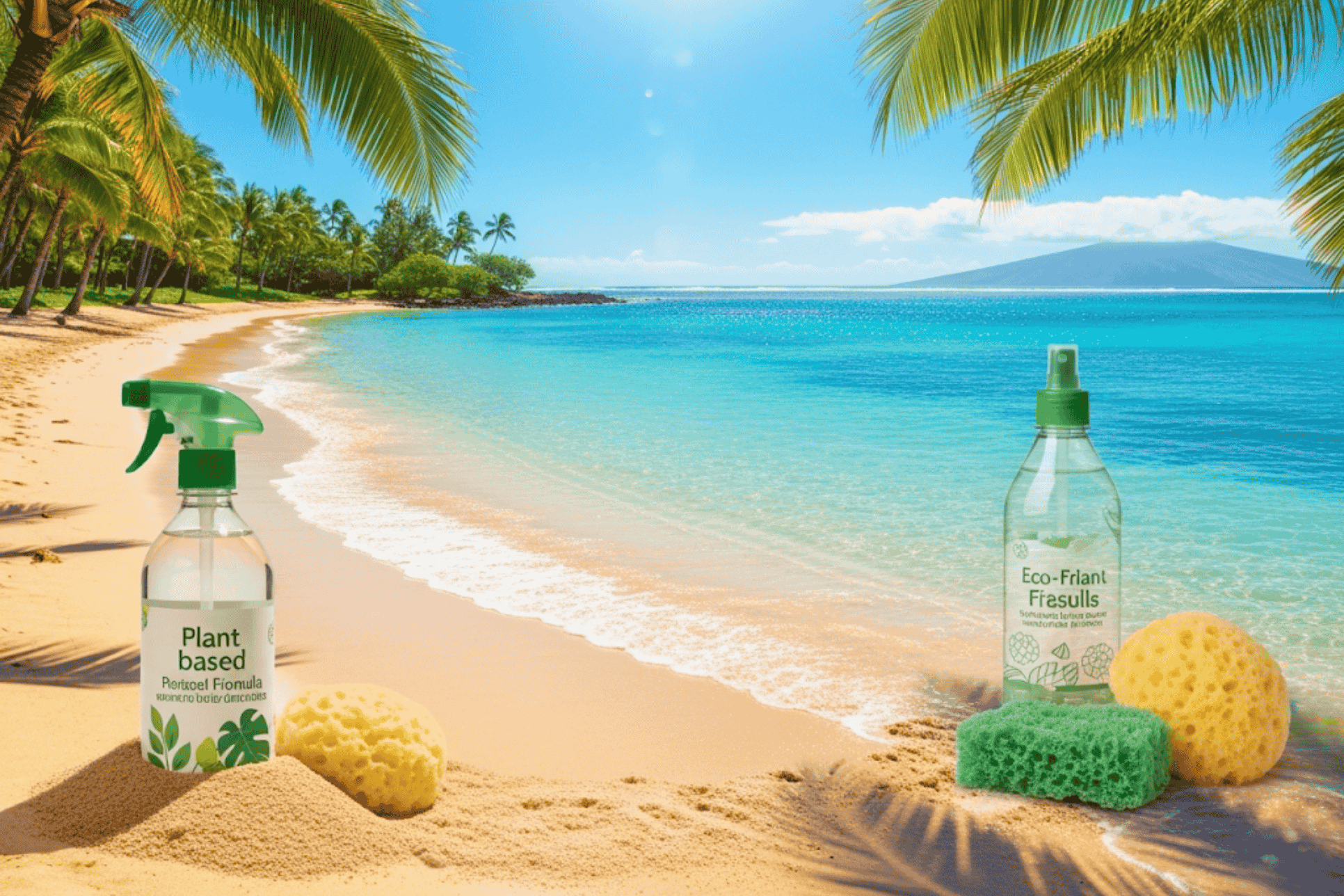
Furthermore, the “Clean Home” in Hawaii is often a “Barefoot Home.” We leave our shoes at the door (a beautiful local tradition). This means our skin is in direct, constant contact with our floors. An eco-friendly mopping routine isn’t just about the ocean; it’s about the health of your family’s largest organ—their skin. By using tools and methods that avoid harsh residues, you ensure that every barefoot step is taken on a surface that is as safe as it is clean.
Why Choose Cleaning Paradise Hawaii for Your Eco-Needs?
While DIY mopping is great for weekly maintenance, many Hawaii homes benefit from a professional “reset.”
Our Specialized Island Process
-
High-Efficiency Particulate Air (HEPA) Pre-Clean: Before we mop, we use HEPA vacuums to remove fine Oahu dust and allergens so the mop doesn’t spread around them.
-
Colour-Coded Microfiber System: We use a professional system in which different-coloured pads are used for bathrooms, kitchens, and living areas. This prevents cross-contamination without needing harsh sanitizers.
-
Steam-Sanitization: For kitchens and bathrooms, we employ industrial steam technology to kill germs naturally, leaving your home smelling like… nothing. And in the world of green cleaning, “nothing” is the smell of proper cleanliness.
Serving All of Oahu
From the high-rises of Kaka’ako to the beach houses of the North Shore, we understand the specific floor types and environmental challenges of every zip code on the island. We don’t just clean; we preserve.
Comprehensive Comparison: Mopping Tools at a Glance
| Mop Type | Eco-Impact | Best For | Longevity |
| Microfiber Flat Mop | Excellent | All indoor surfaces, sand, dust | 5+ Years |
| Steam Mop | Very Good | Sanitizing tile/grout (No chemicals) | 3-5 Years |
| Cotton String Mop | Good | Rough stone, large lanais | 1-2 Years |
| Bamboo/Wood Mop | Excellent | General cleaning, aesthetic homes | 10+ Years (Handle) |
| Disposable Pads | Poor | Not recommended for Hawaii | Single Use |
Understanding Floor Types on Oahu
Different neighbourhoods in Hawaii tend to have different flooring styles. Knowing your floor type helps you choose the right eco-tool.
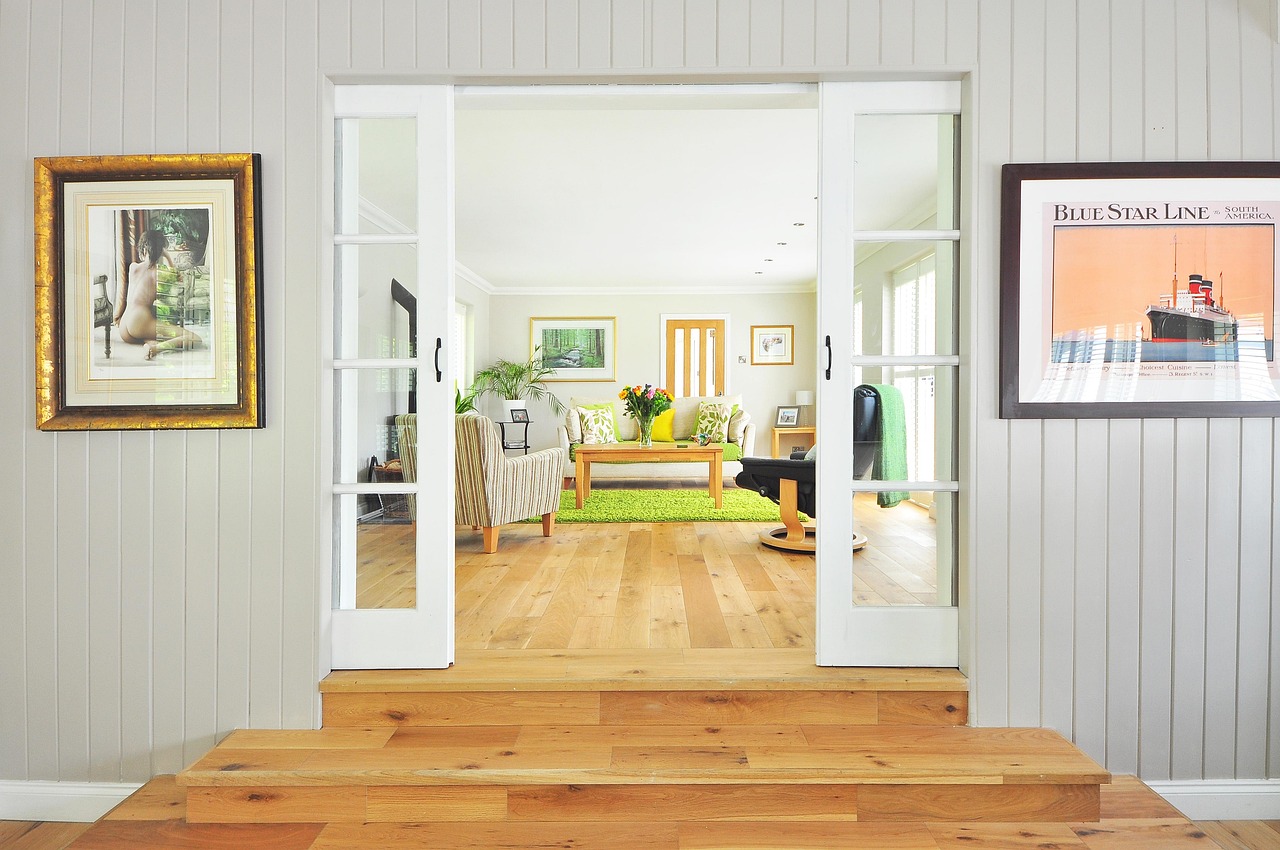
Luxury Vinyl Plank (LVP)
Popular in newer Ewa Beach and Kapolei developments. It’s waterproof but sensitive to harsh chemicals. A microfiber flat mop is perfect here.
Ceramic Tile
The standard for many Honolulu condos. Tile can handle a steam mop, which is excellent for removing deep-seated dust from grout lines.
Natural Stone (Slate or Travertine)
Found in many luxury homes in Hawaii Kai or Diamond Head. These floors are porous. Use a natural fibre mop and avoid acidic cleaners like vinegar.
The Cultural Connection: Malama I Ka ʻĀina
In Hawaii, we don’t just “own” land; we are stewards of it. This philosophy, Malama I Ka ʻĀina, applies to how we maintain our homes. By choosing a mop made of sustainable bamboo or a reusable cloth pad, you are making a statement that you care about the future of these islands.
Small changes, like switching your cleaning kit, create ripples. When your neighbours see you hanging your reusable mop pads on the line instead of tossing plastic wipes in the trash, it starts a conversation about how we can all live a bit more lightly on this land.
Conclusion: A Cleaner Home, A Healthier Island
Transitioning to eco friendly mopping tools isn’t about being perfect;it’ss about making better choices where we can. It’s about realizing that the health of our indoor environment is directly connected to the health of our outdoor environment.
At Cleaning Paradise Hawaii, we are proud to be part of the solution. We believe that every home on Oahu can be a “Cleaning Paradise” without relying on the toxic legacy of the past. By investing in durable, natural, and reusable tools, you save money, protect your family, and keep Hawaii beautiful for the next generation.

Related Posts